
Choose by the decisions you make at work. If you run a set of related projects toward shared benefits, the PgMP fits. If you decide which projects and programs your organisation funds at all, the PfMP fits. Neither is the next step straight after passing the PMP: both ask for years of senior experience first.
The short answer
Senior PMP holders who lead several connected projects should look at the PgMP first. The PfMP is for the level above: PMO heads, portfolio managers and executives who set investment priorities. If you still manage one project at a time, keep building experience. Both credentials will still be there.
What each one proves
The PgMP is PMI's credential for program managers, accountable for related projects and the benefits they are meant to deliver. Program Life Cycle Management alone carries 44% of its exam. The PfMP is about choosing which work exists at all: Strategic Alignment and Portfolio Performance each carry 25% of its exam. Put simply, the PgMP asks whether you deliver the benefits; the PfMP asks whether the organisation is funding the right work.

Choose the PgMP if
You coordinate projects that depend on each other, you report to a steering committee, and you answer for benefits rather than single deliverables. If you hold an active PMP, it covers the project management experience on every PgMP route, so only your program experience has to be documented.
Choose the PfMP if
You sit where funding is decided: you rank initiatives, recommend what to start, defer or stop, and report portfolio performance to executives. PMI labels it an 8+ year credential, and every route asks for 96 months of professional business experience.
What each asks of you
With a four-year degree, the PgMP asks for 48 months of project management experience (or an active PMP) plus 48 months of program management experience. The PfMP asks for 48 months of portfolio management experience plus 96 months of professional business experience. For both, the experience must fall within the last 15 years. Neither sets a training-hour requirement. Both put a panel review of your written experience before the exam, and both exams are 170 questions in 240 minutes.
Is either worth it?
Yes, if the title matches work you already do. PMI reports that PgMP holders earn 42% more than program professionals without it. PMI publishes no comparable PfMP figure, and no holder count or pass rate for either. Because a panel reads your experience first, no amount of study gets you past experience you do not have yet.
How to prepare
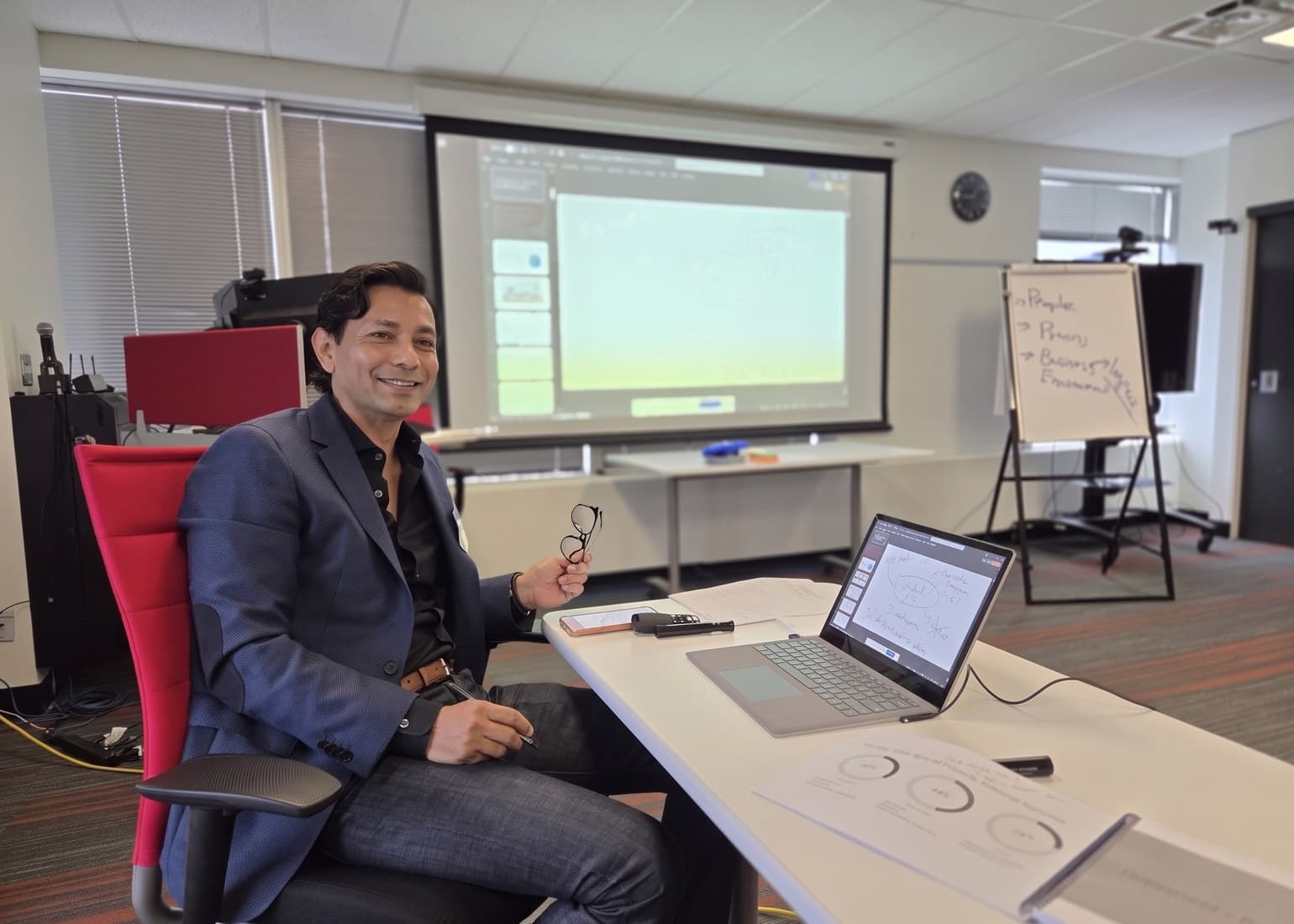
We run live weekend courses for both, the PgMP course and the PfMP course, each with 35 contact hours, 1,000+ practice questions and simulated exams. We review your experience summaries before they go to PMI. Hemant Dhariyal, who teaches them, holds both the PgMP and the PfMP.
Frequently asked questions
- 01
Should I take the PgMP or the PfMP first?
Usually the PgMP, because program responsibility tends to come before portfolio responsibility. If your role already decides what the organisation funds, the PfMP fits first.
- 02
Do I need the PMP before the PgMP?
No. An active PMP is not required, but it covers the project management experience PMI asks for, so you only document your program experience.
- 03
Do the PgMP and PfMP need training hours?
No. PMI sets no training or contact-hour requirement for either. The PMP's 35 hours do not apply.
- 04
Is the PgMP harder than the PMP?
It is harder to reach: certified PgMP holders review your written experience before you can book the exam. The exam itself is 170 questions in 240 minutes.
Education Edge is a PMI Authorized Training Partner (ATP #4456). Every course is live and instructor-led, and selected courses carry a 100% pass guarantee or your money back.